How to Provide Fresh Food During Emergencies
More and more, school is interrupted by emergencies related to health, the environment, and other modern-day crises. Schools meal programs need to be prepared to quickly pivot their operations to react.
Crises may lead to situations where school food programs need to provide emergency hunger relief to children, families, and community members. It’s possible to continue serving your community fresh, healthy meals during emergencies.
How to Provide Fresh Food During Emergencies
More and more, school is interrupted by emergencies related to health, the environment, and other modern-day crises. Schools meal programs need to be prepared to quickly pivot their operations to react.
Crises may lead to situations where school food programs need to provide emergency hunger relief to children, families, and community members. It’s possible to continue serving your community fresh, healthy meals during emergencies.
Scratch Cooking To Go
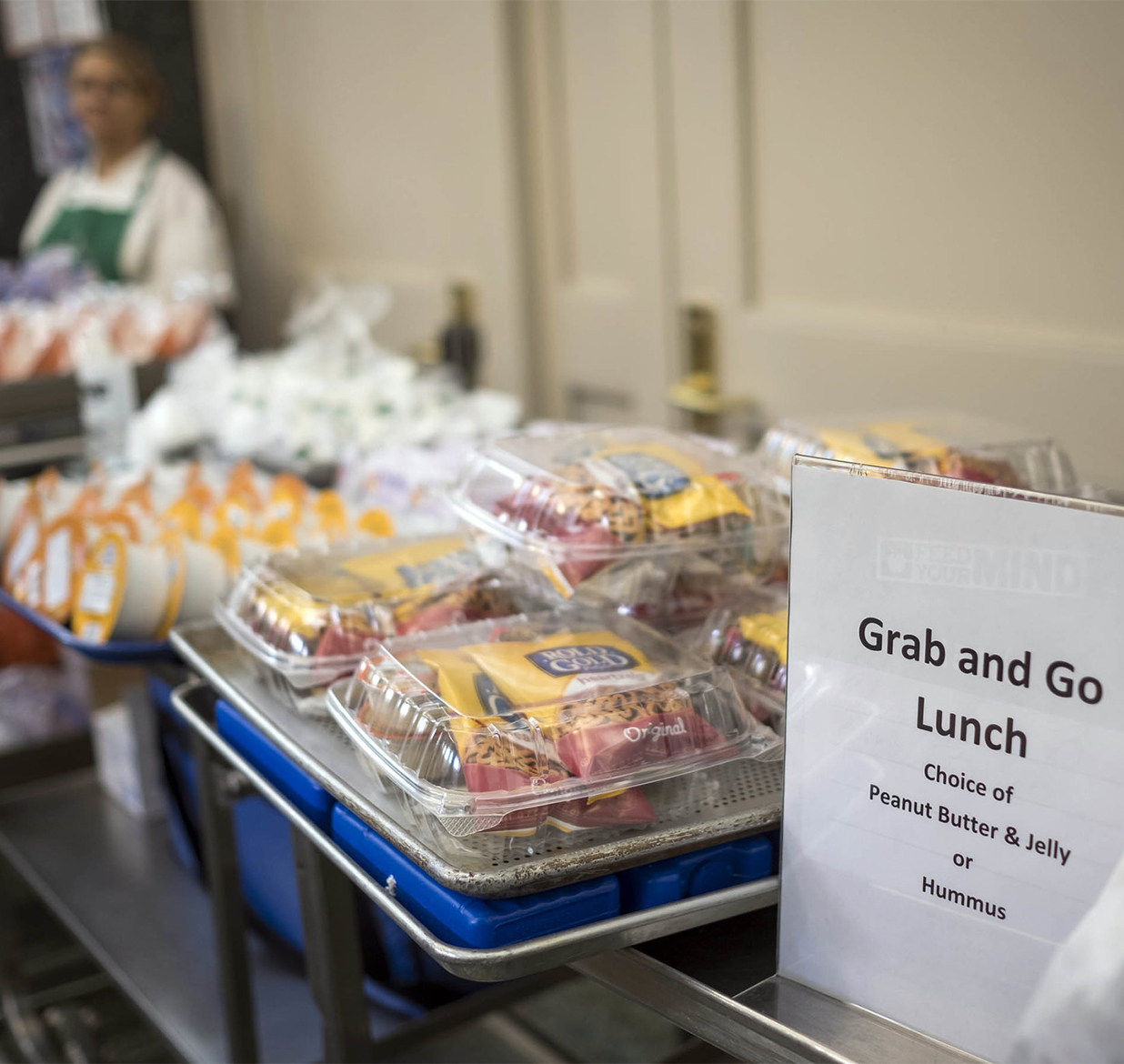
One of the biggest challenges in serving scratch-cooked meals during emergencies is identifying recipes that can be easily packaged, transported, and stored until they are ready to eat. We put together a list of our top recommendations for recipes that are well-suited for serving to-go style.
Scratch Cooking To Go
One of the biggest challenges in serving scratch-cooked meals during emergencies is identifying recipes that can be easily packaged, transported, and stored until they are ready to eat. We put together a list of our top recommendations for recipes that are well-suited for serving to-go style.


Castors
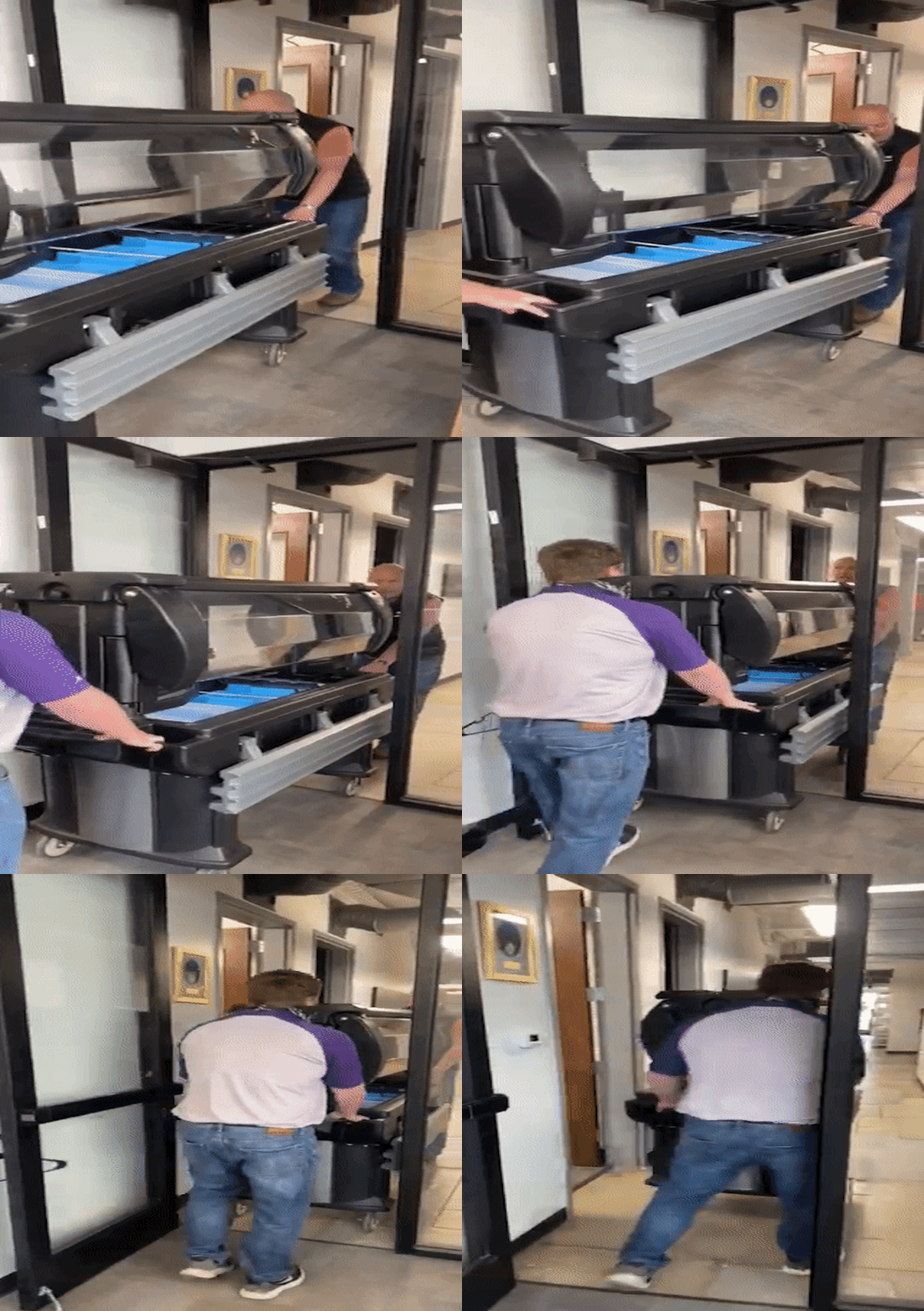
Some salad bars are mobile and can be used to deliver meals both to classrooms and curbside. If your bar is stationary, you can still use it as a serving station.
Sneeze guards
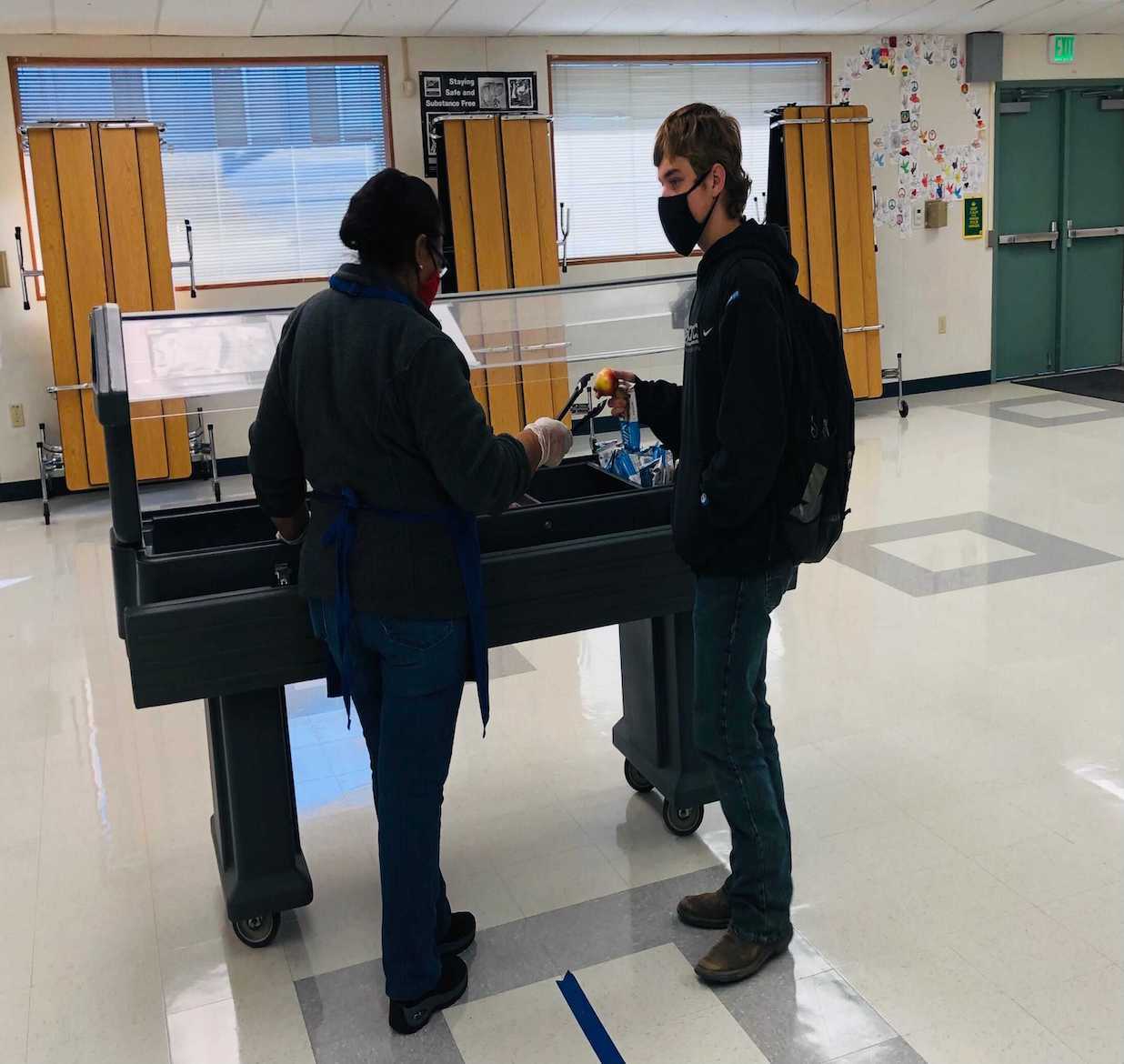
Many salad bars are designed with sneeze guards. This is a useful feature during infectious disease emergencies, such as COVID-19.

Retractable Tray Rails
Tray rails are often designed to retract so salad bars can fit through standard door sizes so you can easily transport your salad bar to many different locations.
Grab-and-Go
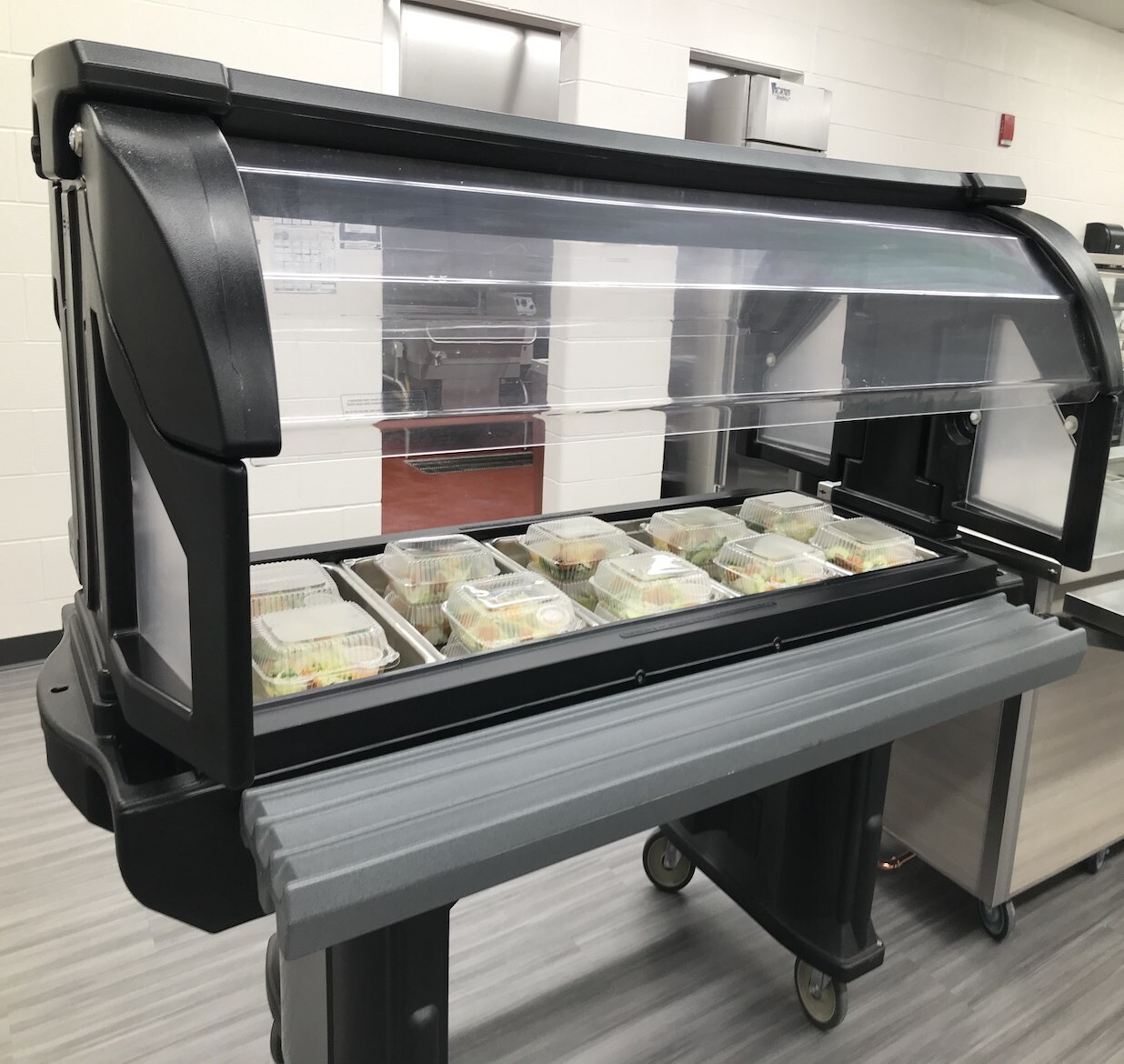
Some salad bars do not run on electricity. The camchillers that come with these salad bars are designed to keep food at a safe temperature for several hours. Keeping food cold retains its freshness and minimizes the risk of bacterial growth.
If you have an electrical unit or one with ice wells, you can still use your salad bar to keep pre-packaged to-go meals at temp, or as grab-and-go stations.
Diana Hill, Food Service Coordinator at Fairview Park City Schools in Cleveland Ohio, is utilizing her bars as a Grab-and-Go station.
Additional Resources
Here are other important resources can can help your school or district prepare and serve food during emergencies.
Additional Resources
Here are other important resources can can help your school or district prepare and serve food during emergencies.