Scroll to:
Scroll to:

Menu Development

Due to the many challenges that can be faced when implementing a successful breakfast program including labor, budget, nutrition requirements, and waste, packaged convenience foods are often relied on. With the research supporting the benefits of a healthy breakfast on students' wellbeing, it's important for schools to provide breakfast meals that are not only attractive and delicious, but also healthy, cost-effective, and meet USDA nutrition guidelines.

Menu Development

Due to the many challenges that can be faced when implementing a successful breakfast program including labor, budget, nutrition requirements, and waste, packaged convenience foods are often relied on. With the research supporting the benefits of a healthy breakfast on students' wellbeing, it's important for schools to provide breakfast meals that are not only attractive and delicious, but also healthy, cost-effective, and meet USDA nutrition guidelines.

A few things to consider when planning out your breakfast food and menus include:

  • USDA School Breakfast Program meal requirements
  • The breakfast model type being implemented in the school
  • Staffing and labor
  • Budget

A helpful tool to use when when purchasing new breakfast items or implementing a new breakfast recipe is TLB New Breakfast Item Decision Tree.

To help support budget management for your breakfast program, use this Breakfast cost calculator.

USDA Guidelines

The most important factor to consider when planning out breakfast menus is ensuring that USDA nutrition guidelines for the National School Breakfast Program (SBP) are being followed. Recent changes in the final rule for the SBP state the following:

  • A serving of milk must be offered

  • A new final rule that allows schools to serve a serving of fruit or vegetable at breakfast 

  • A new final rule that establishes a combined grains and meats/meat alternates meal component where schools may offer grains, meats/meat alternates, or a combination of both to meet minimum ounce equivalent 

  • Specifications on calories, saturated fat, sodium, and trans fat 

  • New regulations starting in 2025 where there will be product-based added sugar limitations of breakfast cereals, yogurt, and flavored milk
USDA Guidelines

The most important factor to consider when planning out breakfast menus is ensuring that USDA nutrition guidelines for the National School Breakfast Program (SBP) are being followed. Recent changes in the final rule for the SBP state the following:

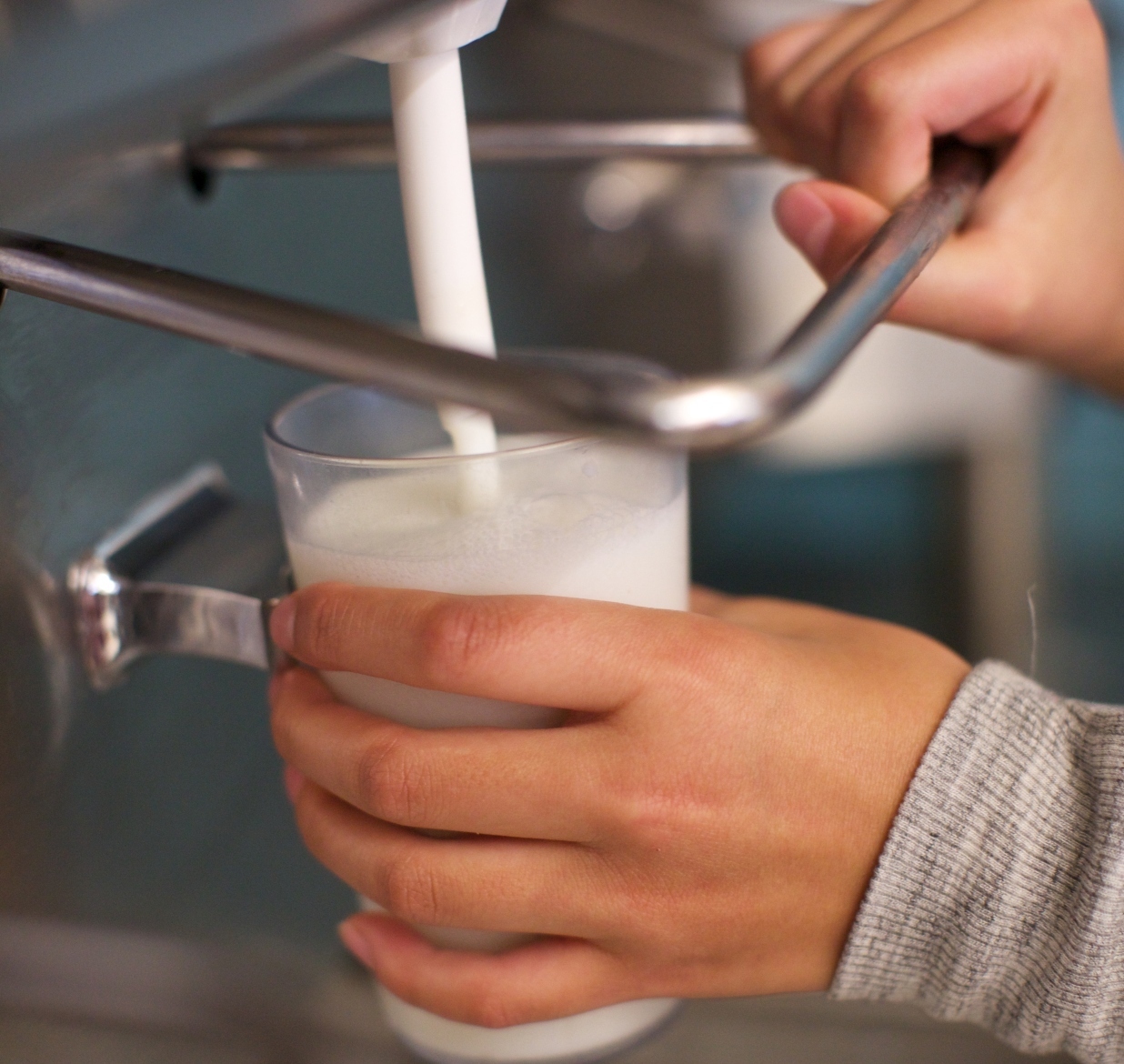
  • A serving of milk must be offered

  • A new final rule that allows schools to serve a serving of fruit or vegetable at breakfast 

  • A new final rule that establishes a combined grains and meats/meat alternates meal component where schools may offer grains, meats/meat alternates, or a combination of both to meet minimum ounce equivalent 

  • Specifications on calories, saturated fat, sodium, and trans fat 

  • New regulations starting in 2025 where there will be product-based added sugar limitations of breakfast cereals, yogurt, and flavored milk

Menu Cycles

Planning out breakfast menu cycles can help establish a structured menu planning process for the entire school year, allow you to implement new and scratch-cooked menu items, include meals that are popular with students, help with the procurement process, and help reduce waste. Explore these 2-week breakfast menu cycles developed by us and by districts around the country for reference:

Breakfast Recipes

Deciding what types of meals and recipes to include in your schools' breakfast program can be highly dependent on the specific breakfast model type being implement. Here are a few example breakfast recipes for each breakfast model type to get you started:

Traditional Breakfast

Breakfast in the Classroom

Breakfast After the Bell

Grab 'n Go

For more scratch-cooked breakfast recipes, visit TLB's Breakfast Recipes Page.  

Recommended Next Topic: Marketing

Building your breakfast program's structure, operations, and menu cycles is the first step to a successful breakfast program. Marketing the program to internal stakeholders, the community, and students is essential to gain awareness and support, increase program participation, and provide more students with a healthy meal to kickstart their day.

Recommended Next Topic: Marketing

Building your breakfast program's structure, operations, and menu cycles is the first step to a successful breakfast program. Marketing the program to internal stakeholders, the community, and students is essential to gain awareness and support, increase program participation, and provide more students with a healthy meal to kickstart their day.

Let’s (re)do lunch!

Get updates about how we can make school food healthier for kids and the planet.

One More Question...

What’s your school district? Get close-to-home school food news and action alerts that let you make a difference in your community.

Thanks for Subscribing!

We're so glad to have you at the table. Check your inbox (and spam folder) to confirm your email, and we'll start sending good things your way!

Sorry!

There was an error, please try again.