Salad Bars: Assessment & Planning
Thoughtful planning for salad bar implementation will ensure salad bars become a lasting addition to your school dining environment. Let’s create a vibrant and healthy space together!
Salad Bars: Assessment & Planning
Thoughtful planning for salad bar implementation will ensure salad bars become a lasting addition to your school dining environment. Let’s create a vibrant and healthy space together!
Evaluate Labor Requirements
When you implement a salad bar, your labor requirements may change. This is especially true if you are moving from canned or pre-cut items to processing fresh whole foods for your salad bar. For tools and instructions to assess your labor needs and food costs, visit our Fiscal Management page.
Other considerations to determine the best course of action include:
- Skill sets of existing site teams
- Current site team efficiency
- Team motivation: are the food service staff excited to implement the changes?
- Impact on the existing menu: how will the salad bar change it? Will the salad bar replace any menu components, or will it be an additional option alongside current choices?
- Food preparation models: where will the food be prepped? (e.g., product prep at sites, direct delivery of cut product from production kitchens, or direct delivery of either pre-cut or uncut product from vendors, etc.)
- Scratch cooking implementation: what pre-processed bagged or cupped items can be procured whole and prepped by staff?

Evaluate Labor Requirements
When you implement a salad bar, your labor requirements may change. This is especially true if you are moving from canned or pre-cut items to processing fresh whole foods for your salad bar. For tools and instructions to assess your labor needs and food costs, visit our Fiscal Management page.
Other considerations to determine the best course of action include:
- Skill sets of existing site teams
- Current site team efficiency
- Team motivation: are the food service staff excited to implement the changes?
- Impact on the existing menu: how will the salad bar change it? Will the salad bar replace any menu components, or will it be an additional option alongside current choices?
- Food preparation models: where will the food be prepped? (e.g., product prep at sites, direct delivery of cut product from production kitchens, or direct delivery of either pre-cut or uncut product from vendors, etc.)
- Scratch cooking implementation: what pre-processed bagged or cupped items can be procured whole and prepped by staff?
Budget
The Assessment tool also includes a budgeting worksheet to aggregate upfront expenses into a single document. Use this to present a comprehensive plan to key decision makers. The primary areas of investment are:
- Electricity
- Point-of-Sale mitigation
- Refrigeration
- Salad bar units
- Peeling/cutting equipment
- Sinks/plumbing
- Staff training

Budget
The Assessment tool also includes a budgeting worksheet to aggregate upfront expenses into a single document. Use this to present a comprehensive plan to key decision makers. The primary areas of investment are:
- Electricity
- Point-of-Sale mitigation
- Refrigeration
- Salad bar units
- Peeling/cutting equipment
- Sinks/plumbing
- Staff training

Freestanding, Mobile, Insulated Salad Bars
This is the most commonly used design. Available in both four-well and five-well configurations, these bars are mobile on wheels and can be easily compressed to fit through doorways. They feature adjustable-height options for elementary self-service, include sneeze guards that meet government requirements, and can maintain temperatures at 41 degrees or below for four hours. The mobility of these bars allows for flexible dining room layouts, which is helpful when considering customer flow through the line. The bars can also be repurposed for other meal periods; for example, they can be placed in hallways for Grab ‘n Go breakfast pick up.
Pros
- Fully mobile.
- Least expensive. $3,000-$5,000
- Easy to maintain.
- Ability to use two-sided, increasing line speed.
- Self-serve: increases student choice and reduces staff labor
Cons
- Requires a freezer to freeze buffet chiller packs.
- May not be permitted by select health departments.

Regular Service Line with Cold Wells
Some schools may already have mechanically cooled wells in their current service lines that could be used for a salad bar. Adaptations to existing equipment include cutting out the counter to add wells to a long stainless counter of six feet or more, and adding a sneeze guard.
Pros
- No up-front costs if a school already owns this type of equipment.
- Gives site personnel control during service.
- Staff can assist younger children from the service line.
- May be the best option for small, confined service areas where a stand-alone bar is not feasible.
Cons
- Creates slower lunch lines.
- Incorporates more staff labor for serving than a self-serve model.
- Often too high for K-2 students to self-serve.

Freestanding, Mobile, Mechanically-Cooled Salad Bars
Similar to freestanding insulated salad bars, mechanically cooled bars offer the same capability for two-sided service. A small number of local health departments may require an electrically cooled salad bar.
Pros
- Hold temperature.
- Easy to clean.
- Do not require a freezer to keep the unit cold.
- Meets the requirements of strict health departments.
Cons
- Most expensive mobile option - $10,000+
- Larger size dimensions.
- Fewer location choices due to electrical needs.
- Requires a floor plug to remove tripping hazards.
- Fewer models have height options.

Table Top Insulated Salad Bars
These small salad bars sit on a table and provide compartments for serving food items. These are similar to mobile salad bars. The main difference is that they require a table.
Pros
- Less expensive and more compact than a wheeled unit.
- Can be used as either one- or two-sided.
- Space saving.
Cons
- Does not store well.
- Tables must be adjustable to attain the appropriate height.
- Small serving area for salad bar items.
Forecast Purchases
If salad bars are a new addition to your operation, they will require more planning and analysis to understand how they will change your menu planning and ordering. As long as the salad bar is used as part of the reimbursable meal and replaces additional fruit and vegetable sides on your menu, a balanced budget is straightforward to budget and plan for.
Resources Spotlight: Procurement is one of the most complex processes within food service departments. These resources can help you plan for your salad bar.
- Download our Menu Planning and Forecasting Workbook and use the “Salad Bar Purchasing Forecasting Example” tab.
- For more information about sourcing and purchasing, visit our Procurement pages.
- Download our solicitation templates, which include formal, informal, and micro-purchase templates.
- Explore our Salad Bar Recipes & Layouts page for planning tools.
Forecast Purchases
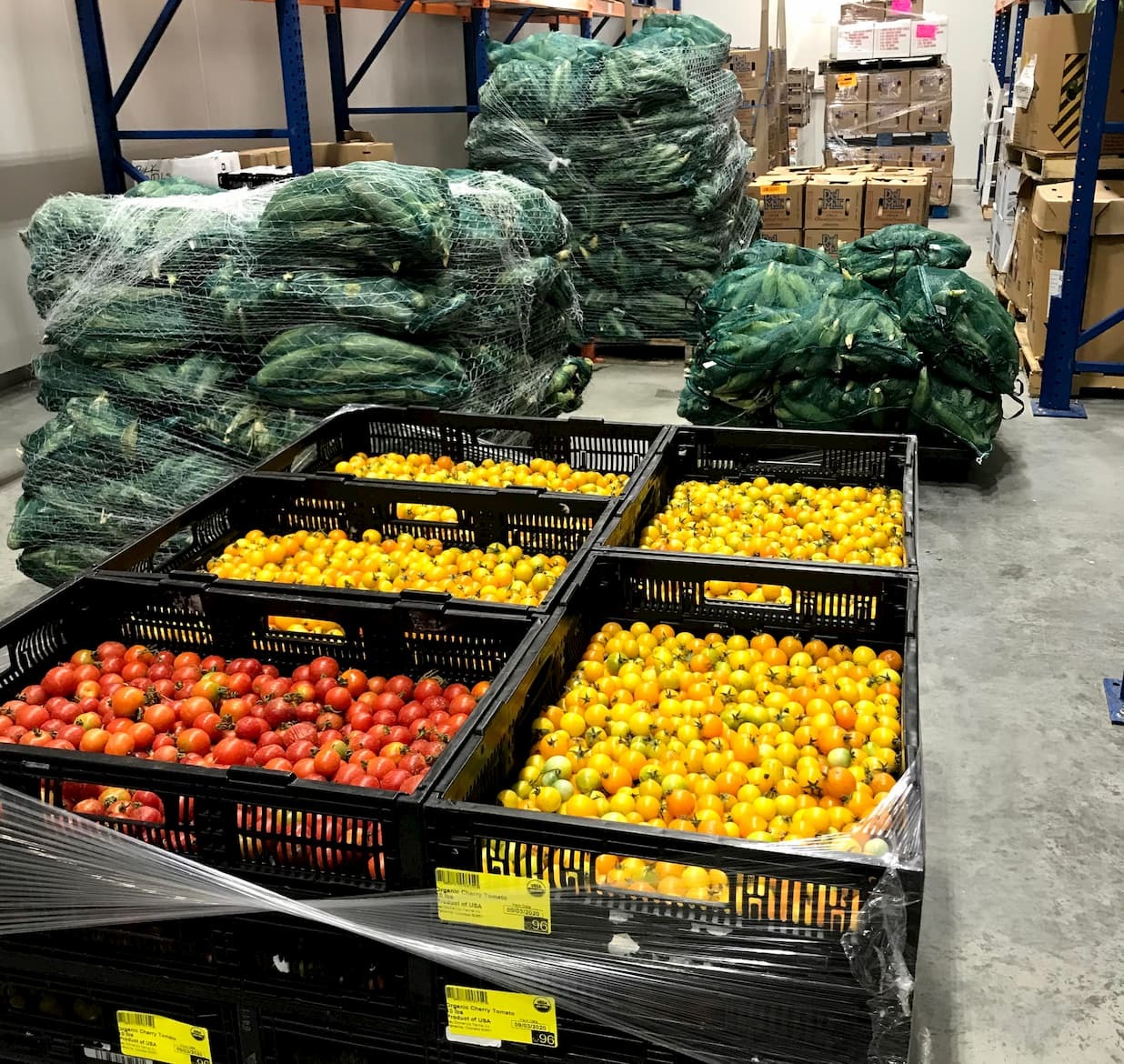
If salad bars are a new addition to your operation, they will require more planning and analysis to understand how they will change your menu planning and ordering. As long as the salad bar is used as part of the reimbursable meal and replaces additional fruit and vegetable sides on your menu, a balanced budget is straightforward to budget and plan for.
Resources Spotlight: Procurement is one of the most complex processes within food service departments. These resources can help you plan for your salad bar.
- Download our Menu Planning and Forecasting Workbook and use the “Salad Bar Purchasing Forecasting Example” tab.
- For more information about sourcing and purchasing, visit our Procurement pages.
- Download our solicitation templates, which include formal, informal, and micro-purchase templates.
- Explore our Salad Bar Recipes & Layouts page for planning tools.