Scroll to:
Scroll to:

Why Salad Bars?

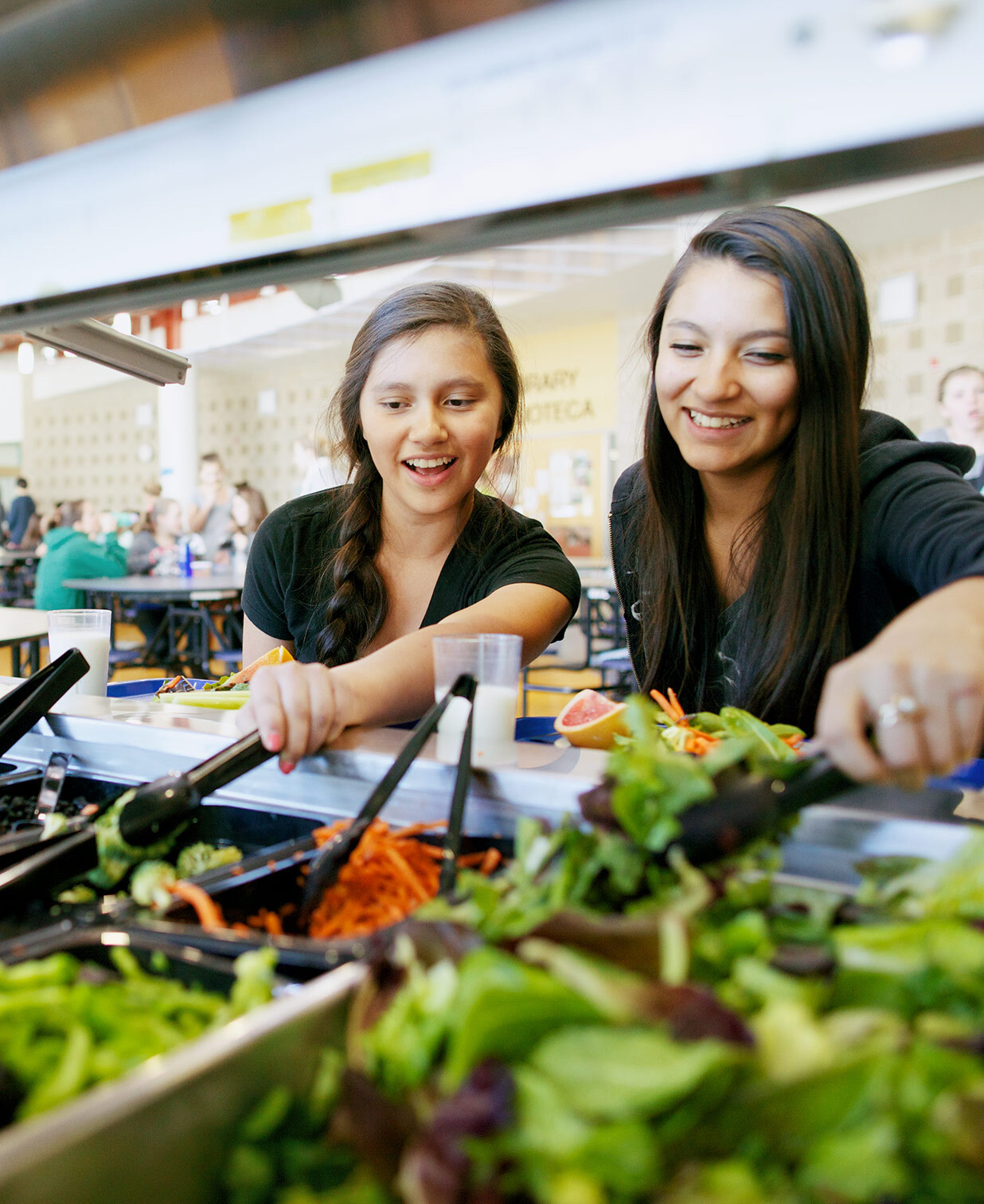
Installing salad bars in schools can have a powerful impact on student health and environmental sustainability. Salad bars give students daily access to fresh fruits and vegetables, whole grains, and healthy proteins. 

Installing a salad bar is an effective way to meet federal meal standards that require students to take at least half a cup of fruit or vegetables at breakfast and lunch. Research indicates that incorporating salad bars into school lunches, paired with best practices, can increase children’s consumption of fresh fruits and vegetables. 

Additionally, salad bars create more opportunities for schools to source produce from local farms and support their local economies. They also help reduce packaging and food waste, further contributing to sustainability efforts. 

Benefits of Salad Bars

  1. Help schools meet USDA fruit and vegetable subgroup requirements.
  2. Increase students' consumption of fresh fruits and vegetables to support lifelong healthy eating habits.
  3. Provide meal variety while ensuring compliance with reimbursable meal standards.
  4. Streamline meal preparation and labor.
  5. Foster student autonomy in food choices.
  6. Reduce packaging waste by eliminating the need for pre-packed or individually wrapped produce.
  7. Provides a gateway to incorporate scratch cooking and other sustainability practices.

Apply for a Salad Bars to Schools Grant

Our Salad Bars to Schools program provides K–12 schools with everything needed to install a salad bar, including salad bar equipment and accessories, marketing materials, and comprehensive online training courses. Our Salad Bars to Schools Survey Summary, based on data from 172 grantees from 2010-2023, shows how salad bars positively impact school meal programs. 

Help The Lunch Box!

Please help us keep our tools & resources free for all users by registering here!

Thank you for signing up!

There was an error, please try again.