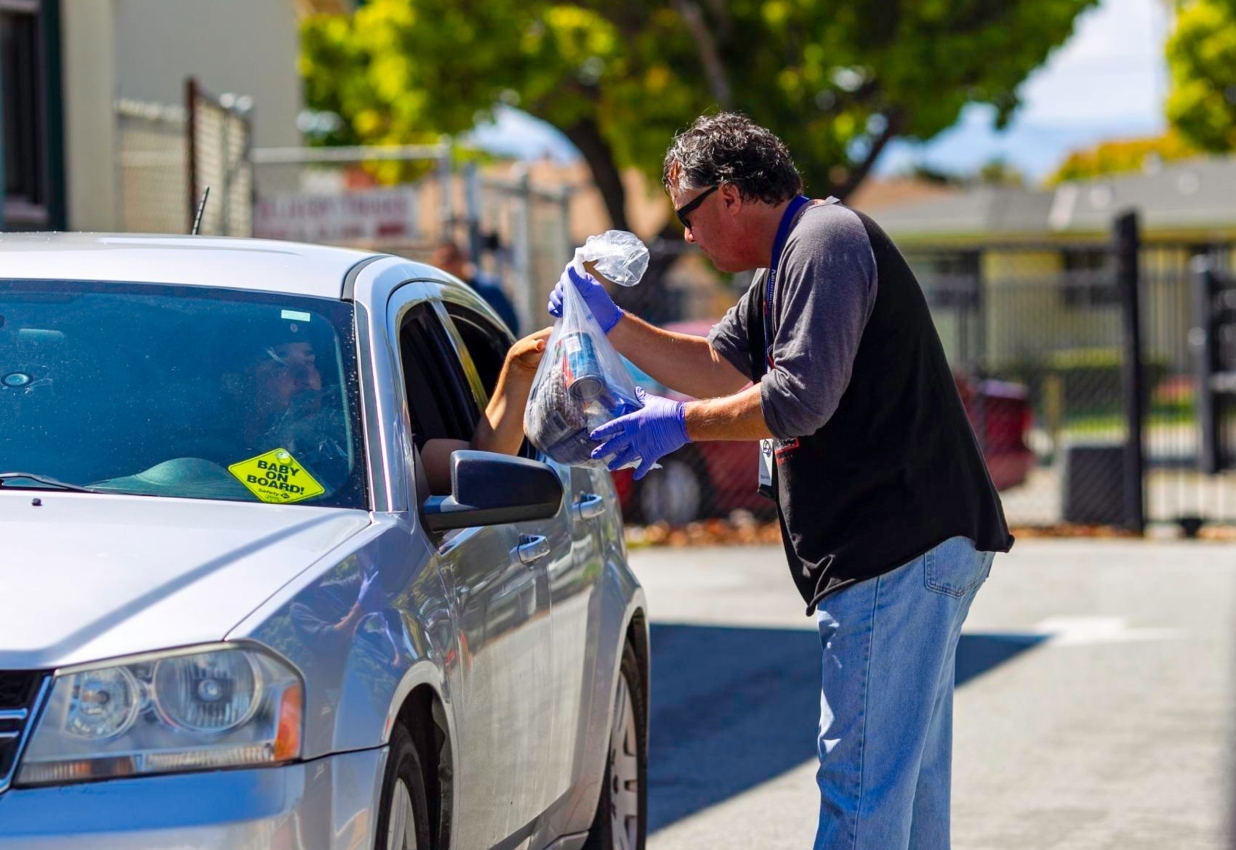
Food Access During Emergencies
Emergencies can exacerbate existing social inequities, including access to fresh, healthy, and adequate food. Here are some ways you can overcome barriers to food access in your community.
Food Access During Emergencies
Emergencies can exacerbate existing social inequities, including access to fresh, healthy, and adequate food. Here are some ways you can overcome barriers to food access in your community.
Free- and Reduced-Price Meal Outreach Resources


Government Waivers
Government waivers can help districts continue running their meal programs during emergencies.
The National School Lunch Program is a federally assisted meal program operating in public and nonprofit schools, as well as residential child care institutions across the United States. As needed, the U.S. Department of Agriculture’s Food and Nutrition Services recognizes that waiving certain requirements of this program have the potential to drastically improve the effectiveness of school meal programs.
These waivers create flexibilities that help school food programs be able to operate in challenging situations more easily and can be for a variety of items from nutrition pattern exceptions to free meals for all students.
After the USDA passes national guidance, it is up to the states to decide how their individual school districts will operate under this waiver or guidance. States have the ability to not accept the waivers released by the USDA so we recommend districts always check with their state agency to determine what waivers have been accepted in their state.
It’s important to stay up to date on available opportunities and waivers within your state. Opportunities such as Healthy School Meals for All and California’s Non-Congregate Waivers for Unanticipated Closures are becoming available state-by-state across the nation where states are working to assist their school districts to feed more students.
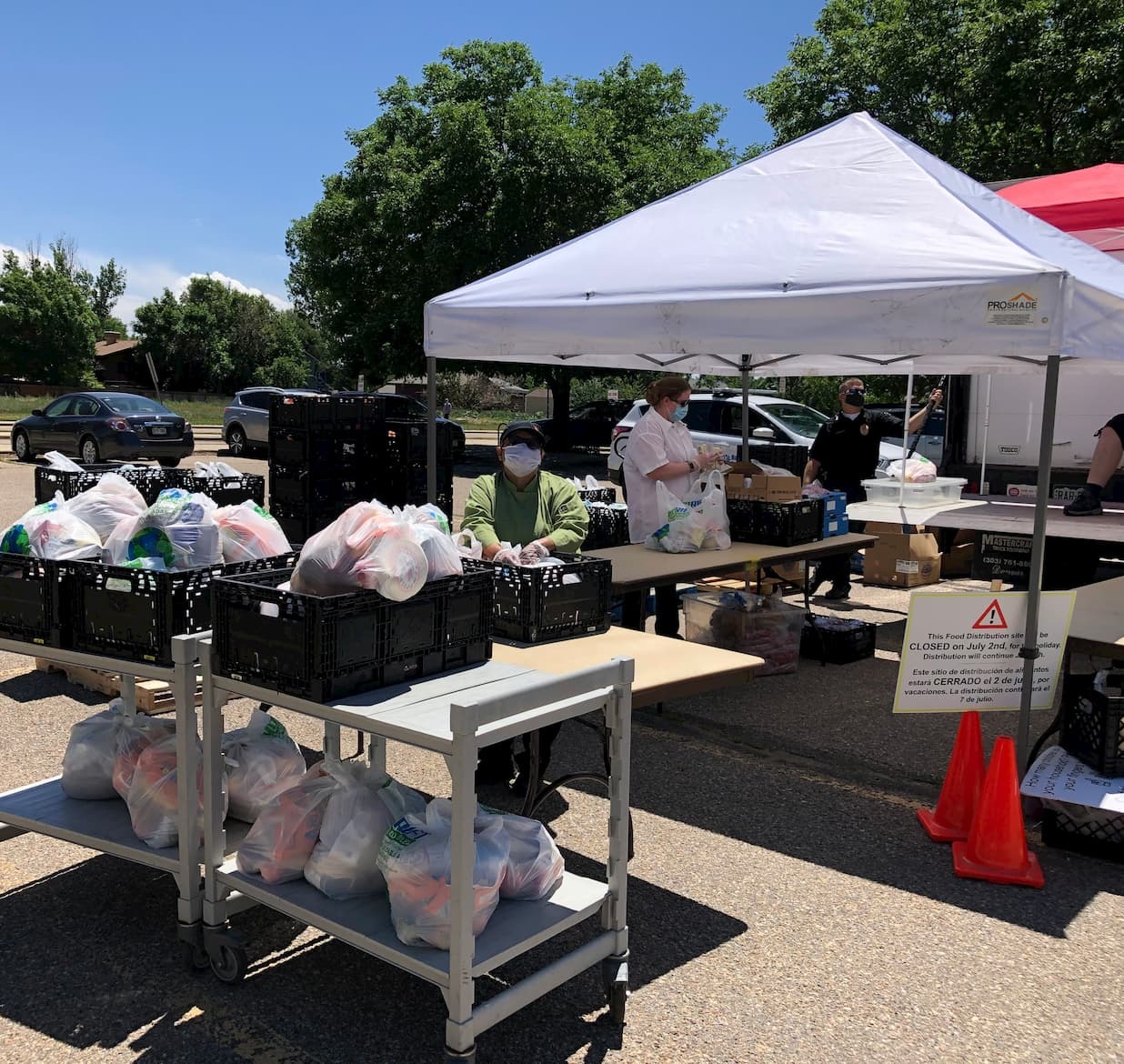
Government Waivers
Government waivers can help districts continue running their meal programs during emergencies.
The National School Lunch Program is a federally assisted meal program operating in public and nonprofit schools, as well as residential child care institutions across the United States. As needed, the U.S. Department of Agriculture’s Food and Nutrition Services recognizes that waiving certain requirements of this program have the potential to drastically improve the effectiveness of school meal programs.
These waivers create flexibilities that help school food programs be able to operate in challenging situations more easily and can be for a variety of items from nutrition pattern exceptions to free meals for all students.
After the USDA passes national guidance, it is up to the states to decide how their individual school districts will operate under this waiver or guidance. States have the ability to not accept the waivers released by the USDA so we recommend districts always check with their state agency to determine what waivers have been accepted in their state.
It’s important to stay up to date on available opportunities and waivers within your state. Opportunities such as Healthy School Meals for All and California’s Non-Congregate Waivers for Unanticipated Closures are becoming available state-by-state across the nation where states are working to assist their school districts to feed more students.
Community Partnerships
Partnering with local food and health organizations during emergencies helps maintain community access to fresh, healthy foods. Start by identifying potential partners such as churches, community centers, health clinics, food banks, Salvation Army or Red Cross chapters, farmers markets, food policy groups, and community gardens.
Network and collaborate to identify community needs, then work together toward the shared goal of providing food and meals to families in need. Be creative—use partners to spread information about food distribution sites or connect with local farmers and restaurants that have surplus food to donate.
These partnerships are valuable at all times, but become invaluable when natural disasters or emergencies strike. Working together increases your impact, lowers costs, strengthens efficiencies, and helps achieve the common goal of improved food access in your community. Establishing these connections before emergencies occur ensures you have a support network ready when it’s needed most.

Community Partnerships
Partnering with local food and health organizations during emergencies helps maintain community access to fresh, healthy foods. Start by identifying potential partners such as churches, community centers, health clinics, food banks, Salvation Army or Red Cross chapters, farmers markets, food policy groups, and community gardens.
Network and collaborate to identify community needs, then work together toward the shared goal of providing food and meals to families in need. Be creative—use partners to spread information about food distribution sites or connect with local farmers and restaurants that have surplus food to donate.
These partnerships are valuable at all times, but become invaluable when natural disasters or emergencies strike. Working together increases your impact, lowers costs, strengthens efficiencies, and helps achieve the common goal of improved food access in your community. Establishing these connections before emergencies occur ensures you have a support network ready when it’s needed most.