Scroll to:
Scroll to:

Scaling up Healthy, Climate-Friendly School Food: Strategies for Success

September 2018

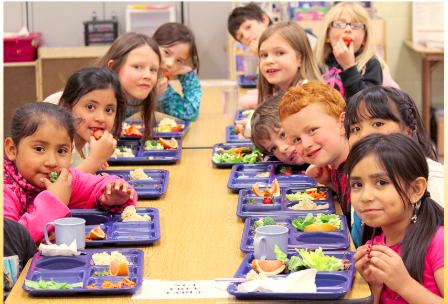
A new, first-of-its-kind report spotlights a growing movement of pioneering school districts using their massive purchasing power to provide plant-forward, climate-friendly food that is healthier for students and the planet. The new report from Friends of the Earth, which includes four detailed case studies, builds on a 2017 analysis that showed how Oakland Unified School District reduced its carbon footprint by 14 percent and saved $42,000 over two years by serving less meat and more plant-based foods.

Scaling up Healthy, Climate-Friendly School Food: Strategies for Success

September 2018

A new, first-of-its-kind report spotlights a growing movement of pioneering school districts using their massive purchasing power to provide plant-forward, climate-friendly food that is healthier for students and the planet. The new report from Friends of the Earth, which includes four detailed case studies, builds on a 2017 analysis that showed how Oakland Unified School District reduced its carbon footprint by 14 percent and saved $42,000 over two years by serving less meat and more plant-based foods.

Based on interviews with 33 school food professionals, “Scaling up Healthy, Climate-Friendly School Food: Strategies for Success” provides resources and numerous examples from 18 public school districts showcasing the climate benefits and strategies that school food visionaries are successfully deploying to serve more plant-forward foods on their lunch menus.

The report provides a comprehensive road map for boosting student participation rates and increasing appreciation of healthier, climate-friendly food. Key strategies include:

  • Using fresh and local ingredients; increasing scratch and speed-scratch cooking and serving plant-forward meals in a friendly dining environment via food trucks, food courts, build-a-bowl stations, salad bars, grab-n-go carts and plant-based “pop-up restaurants.”
  • Engaging students and creating opportunities for taste tests, including try-it days, recipe competitions, build-a-meal concepts, student focus groups and food festivals.
  • Positive messaging that highlights the flavors and deliciousness of plant-forward items while avoiding the words “vegan” and “vegetarian.”
  • Investing in staff training and better cooking facilities for scratch cooking.
  • Identifying culturally appropriate recipes and employing staff ambassadors as effective and motivational spokespeople who can help instill healthy eating habits.
  • Ensuring class-based and parent-focused nutrition education, including school gardens.
  • Implementing creative revenue generation strategies and increasing joint procurement bids for plant-based products.

Let’s (re)do lunch!

Get updates about how we can make school food healthier for kids and the planet.

One More Question...

What’s your school district? Get close-to-home school food news and action alerts that let you make a difference in your community.

Thanks for Subscribing!

We're so glad to have you at the table. Check your inbox (and spam folder) to confirm your email, and we'll start sending good things your way!

Sorry!

There was an error, please try again.